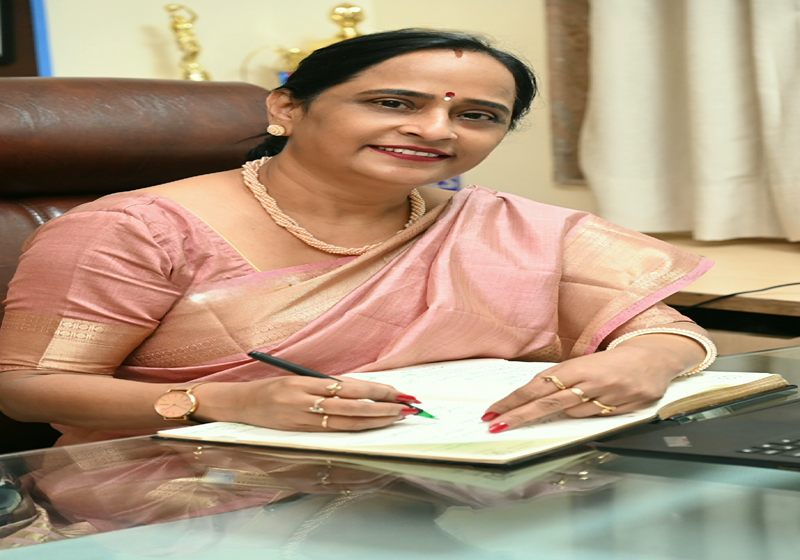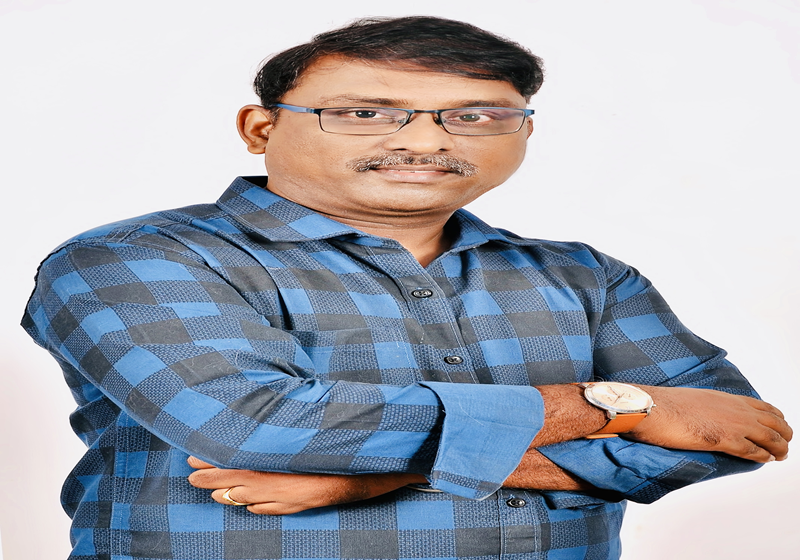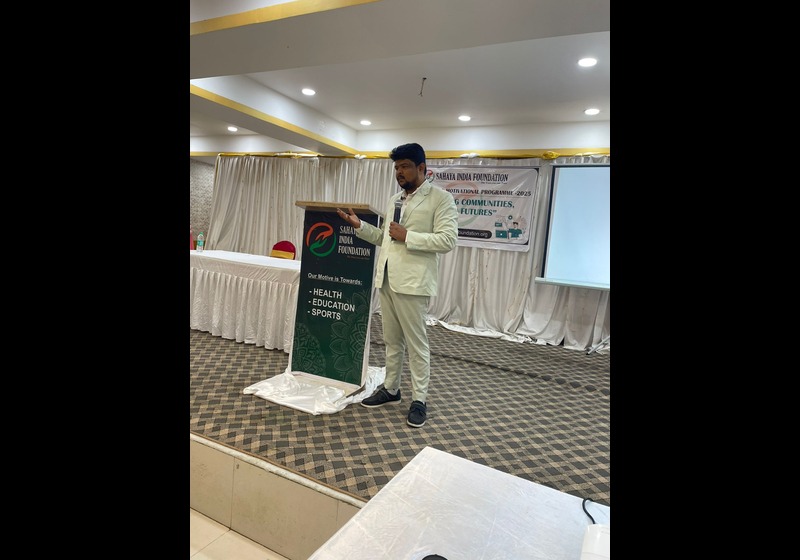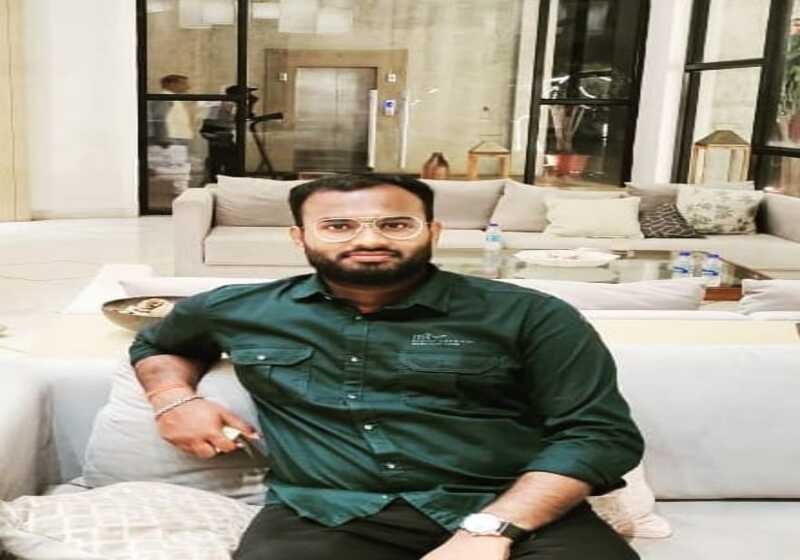

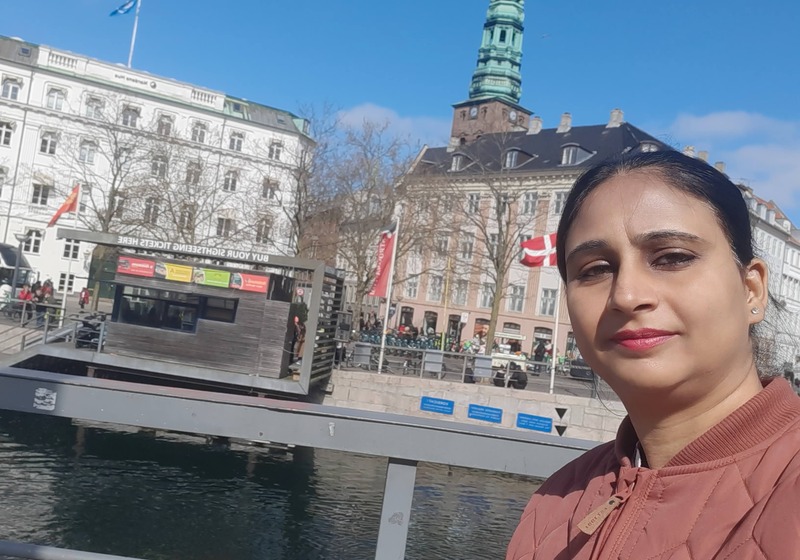
When I began my career in 2007, the data centre was a place you visited at 2 a.m. to coax a failing server back to life. Nearly two decades later, I spend my days architecting systems that detect and heal themselves before anyone is ever paged. That arc — from reactive firefighting to autonomous, AI-driven operations — mirrors the transformation I have helped enterprises make. It also mirrors my own, as a woman building a leadership career in a field that did not always expect me to lead it.
My path was rarely linear. I have worked hands-on across five countries — framing early automation use cases in India, standing up monitoring infrastructure onsite in Oregon, migrating a global stock exchange in Singapore with zero downtime, shaping observability strategy for banks across the UK, and now leading enterprise Data, Cloud and AI programmes from Noida. Each move stretched me technically and personally. Each taught me that credibility in this industry is earned the same way regardless of gender: by understanding the system more deeply than anyone in the room, and by delivering when it counts.
Over 18 years I have grown from engineer to global delivery lead, owning portfolios that exceed $100M and carrying full P&L responsibility for enterprise transformation programmes. But the numbers I am proudest of are the ones that describe change. Embedding Generative AI and AIOps into production has cut mean-time-to-detect by 65% and mean-time-to-resolve by 50% for the clients I serve. A single platform modernisation programme consolidated more than 15 legacy systems and avoided over $4M in downtime costs. These are not abstractions — they are the difference between an operations team that lives in crisis and one that gets to think ahead.
The technology has changed faster than most of us imagined. We have moved from dashboards that told us what had already broken, to predictive models that flag anomalies, to agentic systems that remediate on their own. Leading this shift means more than choosing the right architecture. It means retraining organisations — taking teams from waterfall habits to AI-ready delivery, standing up MLOps pipelines and AI governance, and building the trust required to let a model take action in a live environment. Adoption, not invention, is where transformation usually stalls.
None of it happens alone. The work I value most is building the people who build the systems — scaling global teams of 200-plus, establishing an internal AI Center of Excellence, and mentoring engineers into leaders. I pay particular attention to the women coming up behind me, because I remember how few senior women I saw when I started. My advice to them is consistent: go deep on the technical craft, because expertise is the great equaliser; raise your hand for the migration nobody wants, because hard problems are where reputations are made; and once you have a seat at the table, hold the door open for the next person.
As I look at what is next — more autonomous operations, responsible AI at scale, and enterprises that run themselves — I am convinced the leaders who will shape it are the ones who pair technical depth with a genuine commitment to people. That is the kind of leader I have tried to be, and the kind I hope this industry will keep making room for.





_1785565843273265746.png)

_1784621308499509317.png)

_17845355431793601954.png)
_17845343502042983042.png)
_1775802291867133499.png)

_17682042751183439908.png)


_1767938263876964930.jpg)
_17679378251948094411.jpg)
_1767937679253137841.jpg)


_1759130674453280466.jpg)

_1759130811279986953.jpg)
_1759126311975119161.png)
_1759126212229099568.jpg)



_17591256051481926712.jpg)


_1754639333611524265.png)